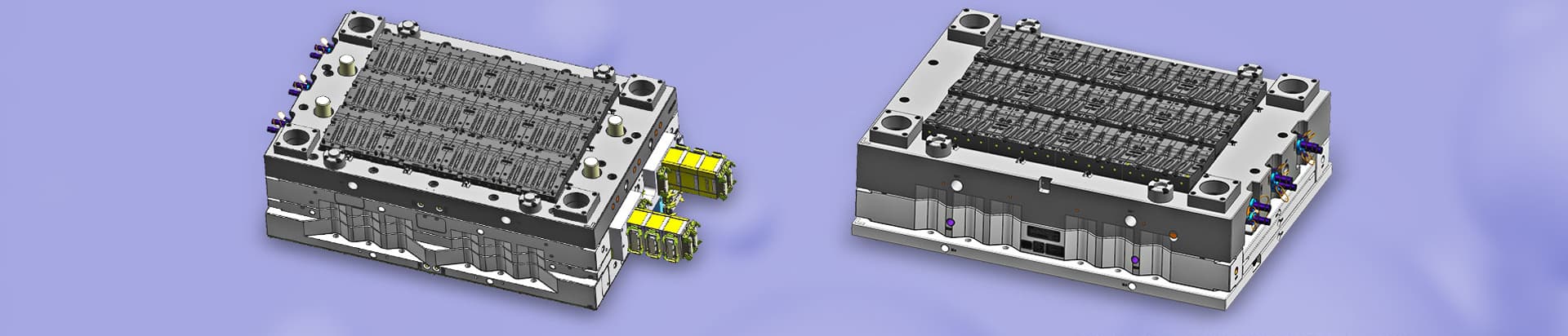
We're diving into the fascinating world of injection molding to explore the various types of moulds that play a crucial role in this manufacturing process. Ready to learn more about the magic behind creating intricate plastic parts? Let's get started!
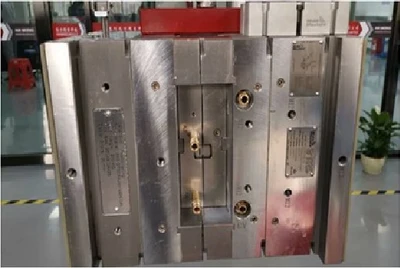
Injection molding is a versatile manufacturing method that involves injecting molten material into a mould to create a wide range of plastic products. At the heart of this process are the moulds, which determine the shape and design of the final product. Without the right mould, achieving precision and consistency in injection molding would be nearly impossible.
Single cavity moulds are the simplest form of mould used in injection molding. As the name suggests, these moulds create only one part per cycle. While they are straightforward to design and use, single cavity moulds may not be the most efficient option for high-volume production. However, they are ideal for prototyping and low-volume manufacturing.
Multiple cavity moulds are designed to produce multiple identical parts in a single cycle. By incorporating multiple cavities into one mould, manufacturers can significantly increase production output and efficiency. While these moulds are more complex to design and manufacture, they are well-suited for high-volume production runs.
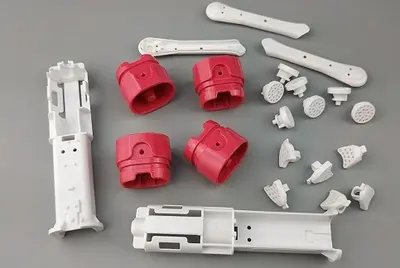
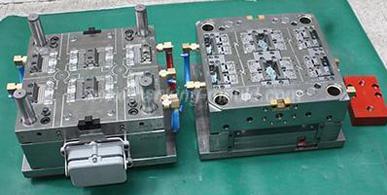
A family mould is a specialized type of mould that is capable of creating multiple different parts simultaneously. This type of mould is ideal for products that require several components to be produced together. Family moulds offer increased efficiency and cost-effectiveness for complex products with multiple parts.
Stack moulds are designed with multiple moulding surfaces stacked vertically or horizontally. This unique design allows for the production of two different parts in one machine cycle. Stack moulds are often used to produce complex parts that require multiple materials or colors. While they are more complex and expensive than single or multiple cavity moulds, stack moulds can be highly efficient for certain production requirements.
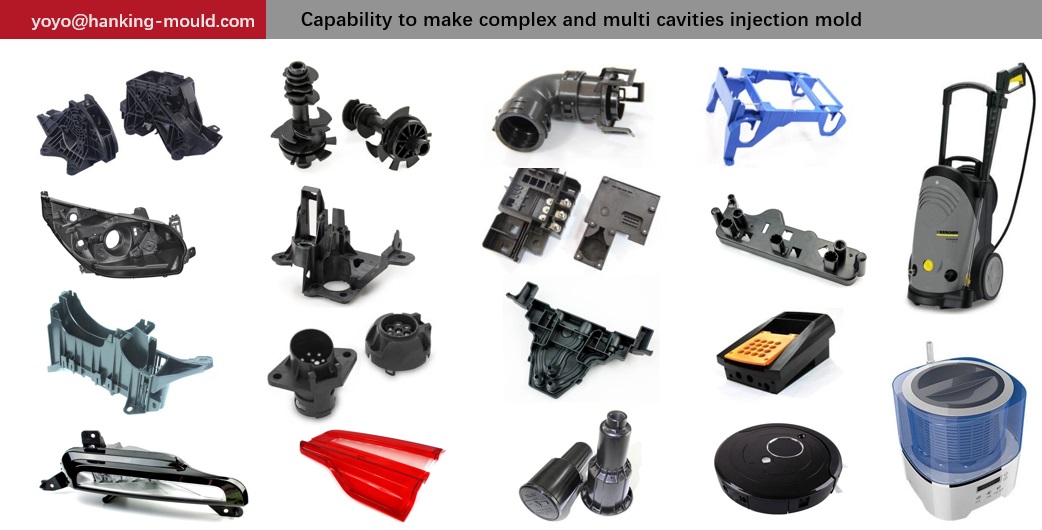
When selecting a mould for injection molding, it's essential to consider the complexity of the part being produced. Complex parts with intricate designs may require specialized moulds, such as stack or family moulds, to achieve the desired results. Understanding the complexity of the part will help determine the most suitable type of mould for the job.
The production volume is another critical factor to consider when choosing a mould for injection molding. Single cavity moulds are more suitable for low-volume production, while multiple cavity and stack moulds are better suited for high-volume runs. It's essential to assess production requirements and cost considerations when selecting the appropriate mould type for a specific project.
Compatibility between the mould material and the injection molding material is crucial for achieving successful production outcomes. Different materials have varying properties that can affect mould design and performance. Selecting a plastic injection mould material that is compatible with the injection molding material helps ensure quality and consistency in the final product.
And there you have it - a closer look at the key types of moulds used in injection molding! Whether you're creating prototypes, producing high-volume runs, or tackling complex product designs, choosing the right mould is essential for achieving optimal results. By understanding the different types of moulds available and considering factors such as part complexity, production volume, and material compatibility, manufacturers can make informed decisions when selecting moulds for injection molding projects. So, here's to the magic of moulds and the endless possibilities they bring to the world of manufacturing!



 Call us on:
  Email Us:
  1st Floor, Block1, No.3 Beiting Road, Houting Community, ShaJing Street, Bao'An District, Shenzhen City, Guangdong Province, China
  English
 Deutsch
 italiano
 русский
 français
 română
 العربية
 Español
 Polska
 日本語
日本語 한국어
한국어