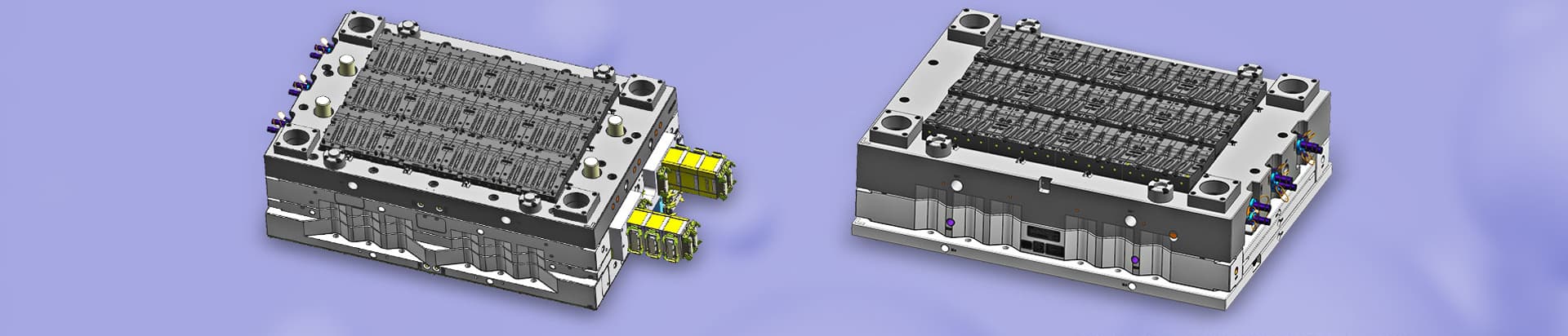
With the ever-increasing development trend of the market economy, the automobile industry is producing faster and faster. The rapid development of today's automotive industry has also put forward higher and higher requirements for automotive lighting.
The quality of automotive lighting fixtures is critical to automobiles. For example, the appearance must be integrated with the appearance of all cars, which is not only beautiful and easy to use, but also meets the requirements of fluid mechanics. Therefore, the technicality of the design scheme of the car lights of injection moulding moulds manufacturers is also developing rapidly along with the development trend of the automobile industry.
Material and processing characteristics of injection molds for car lights:
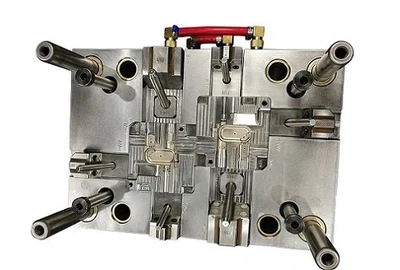
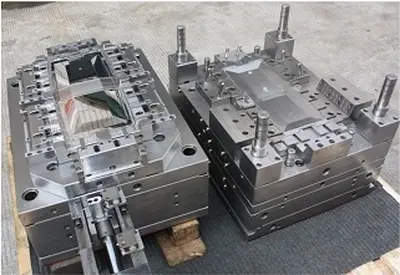
A car lamp is generally composed of a base and a lampshade. The raw material of the base is generally a thermosetting plastic material-BMC. The lampshade can be produced and processed from raw materials such as PMMA, PP, ABS and so on, generally in two or three colors. At the processing level of the two-color automotive lamp injection mold, two-color injection molding should be paid special attention to. The center distance of the two screws is relatively consistent with the center distance of the two-color mold. When molding car lamp injection molds, it should also be noted that multi-color injection requires two basic compatibility conditions, namely, compatibility of adhesion and compatibility of processing.



 Call us on:
  Email Us:
  1st Floor, Block1, No.3 Beiting Road, Houting Community, ShaJing Street, Bao'An District, Shenzhen City, Guangdong Province, China
  English
 Deutsch
 italiano
 русский
 français
 română
 العربية
 Español
 Polska
 日本語
日本語 한국어
한국어