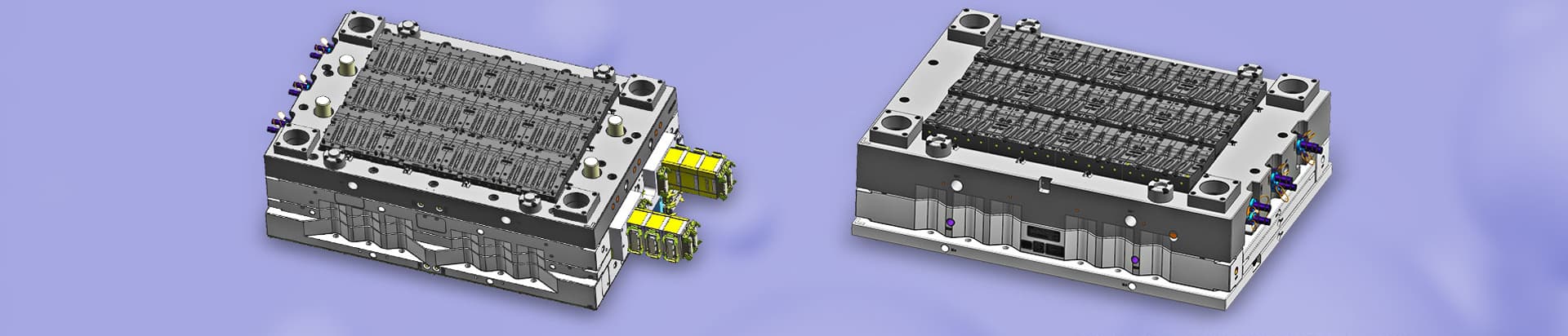
TPE material, also known as thermoplastic elastomer, is a polymer material that has both the characteristics of plastic and rubber, shows the high elasticity of rubber at room temperature, can be plasticized and formed at high temperature.
Various new TPE products have also been continuously developed. As a new type of energy-saving and environmentally friendly rubber raw material, it has a very promising development prospect.
So, what are the key points in injection molding process for TPE material?
1. Injection molding machine selection
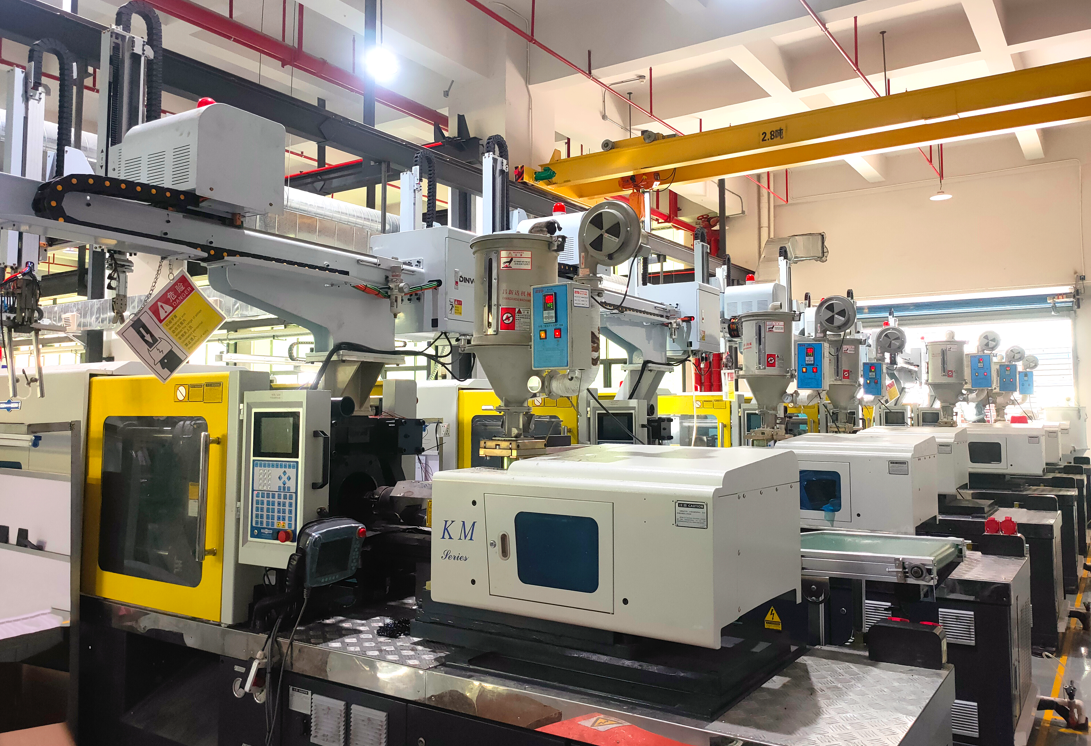
The clamping capacity should be 1.5-3 tons per square inch of projected molding area. A general-purpose screw with a compression ratio of 2:1-3:1 can be used. The injection volume should be 25%-75% of the machine capacity. The longest residence time at the processing temperature should be 8-10 minutes. When injection molding, the injection nozzle should use a smaller open to help generate shear heating.
2. Main runner
A standard main runner design with a 3C draft angle can be used. SEBS materials cannot be used with "Z" type pull pins, but undercut, reverse tapered cold wells and slot rod pull pins are all available Typical design.
3. TPE material Shrinkage
The shrinkage rate of TPE material varies according different material supplier. In the range of 0.5-2%, the shrinkage rate of the melt flowing into the mold will be higher. And SBS is smaller shrinkage, while the shrinkage rate of SEBS is higher. The shrinkage rate of materials with higher density is smaller than that of materials with lower density. In addition, processing conditions such as mold temperature, melt temperature, injection speed and product thickness will affect the shrinkage rate of the plastic product.
4. Dry material
Normally, TPE has no moisture absorption properties and does not need to be dried. However, excessive moisture in the secondary injection molding material or matrix will adversely affect the adhesion. In order to improve the drying efficiency and produce high-quality products as much as possible, we strongly recommends the use of desiccant dryers or vacuum dryers. Typical drying conditions are 2 to 3 hours at a temperature of 70-80 degrees Celsius.
5. Color batch
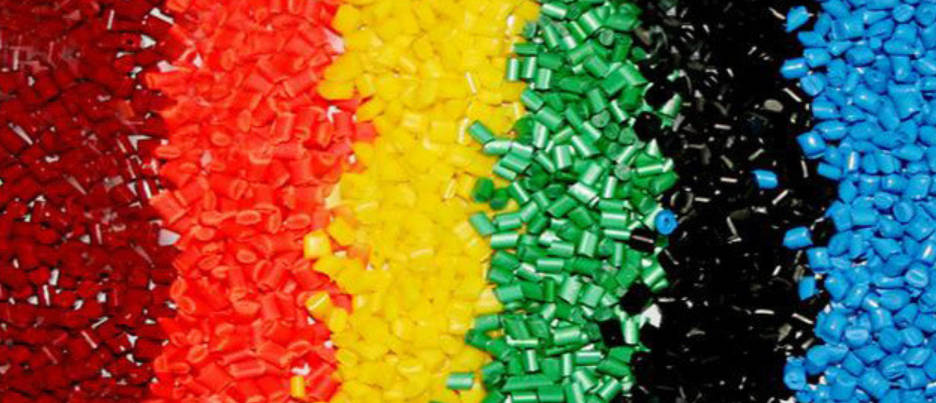
It should be noted here that the master batch carrier should be compatible with the selected TPE material. For SBS, PS or EVA based color batch is more appropriate; for SEBS, PE or PP based color batch is better. TPE cannot use the color type with PVC as the base. In order to make the dispersion process easier, the color batch should have a lower viscosity (higher melt flow index) than the base TPE composite material.
6. Injection machine cleaning
SBS has good thermal stability. It is not necessary to clean the barrel every time the material is interrupted. PS can be used to clean the barrel. The thermal stability of the SEBS projectile is very good. Even if it is parked for two hours at the processing temperature, the material in the barrel will not degrade. PP or LDPE with a lower melt flow index can clean the barrel. If during the production process, when changing different colors, it is recommended to use PP with a lower melt flow index to clean the barrel.
7. Injection molding pressure and speed
Usually, the required or achieved injection pressure is 200-600psi. In order to take advantage of the benefits of shear thinning, the injection speed should be adjusted to fill the mold within 1-3 seconds. The injection of SBS material usually uses a medium injection speed, but the injection of SEBS material must use a higher injection speed to prevent the melt from affecting the appearance due to cooling during the filling of the mold. For the secondary injection molding material, the higher pressure and speed can obtain better adhesion.
8. Processing temperature
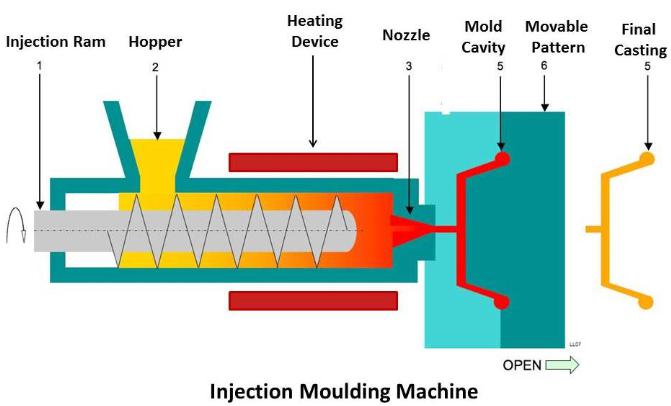
SBS based TPE is easy to be oxidized, high temperature or high shear rate processing will produce material degradation possibility. In order to avoid material degradation, the processing temperature must be maintained at 150-200℃, and the melt should not stay too long in the barrel, if the processing temperature exceeds 200℃, the melt viscosity will increase, thereby reducing productivity. The molecules of the soft segment of the SEBS elastomer are saturated and will not be oxidized. High temperature or high shear rate processing does not affect the stability. The general processing temperature is between 190-230 ℃, and high shear rate processing can be used. If the material is due to high temperature or high shear Cut rate processing and degradation, melt viscosity will be reduced due to molecular chain rupture, and for some special specifications of TPE can be used to produce at a temperature of 250 ℃ or even higher.
For two-shot injection molding, in order to achieve the best bonding strength, it is often required to use a higher than normal melt temperature. In some critical applications, this temperature can be close to the upper limit of the TPE processing temperature. In order to shorten the residence time at high temperature, the temperature of the rear section of the injection unit should be reduced as much as possible, and only the last section and the injection nozzle should be kept at a higher processing temperature.
9. Injection mold temperature
In order to prevent moisture from condensing in the mold and bringing impurities in the water into the mold cavity, the mold temperature in the molding area should be set above a certain temperature. If the plastic part has very long or very thin area, and other molding parameters cannot be changed to achieve filling, then the mold temperature may have to be increased. The mold temperature of SBS based TPE is generally 10~40℃, and the temperature of SEBS based TPE is 35~65℃. Higher mold temperature can promote the flow of melt in the mold, low pressure injection can also fill the mold, and the appropriate mold temperature can be obtained. better surface effect.
10. Cooling time
The required cooling time depends on the melt temperature, the wall thickness of the plastic product and the melt index of the material. Harder materials solidify faster than softer materials and are easier to demold. Due to the poor thermal conductivity of the plastic matrix, TPE can only be cooled from one side, so the over-injected plastic part needs a long time to cool. Relative to the thickness of the over-injected layer per 0.100", the cooling time required for over-injected plastic part is generally 20-40 seconds.



 Call us on:
  Email Us:
  1st Floor, Block1, No.3 Beiting Road, Houting Community, ShaJing Street, Bao'An District, Shenzhen City, Guangdong Province, China
  English
 Deutsch
 italiano
 русский
 français
 română
 العربية
 Español
 Polska
 日本語
日本語 한국어
한국어